NVIDIA GTC 2026: The Shift Happening in Industrial Operations Right Now
Takeaways from NVIDIA GTC in San Jose. Leaders from Caterpillar, Hitachi Rail, GXO, Honeywell, and Medtronic on one stage talking about the same shift in industrial operations.

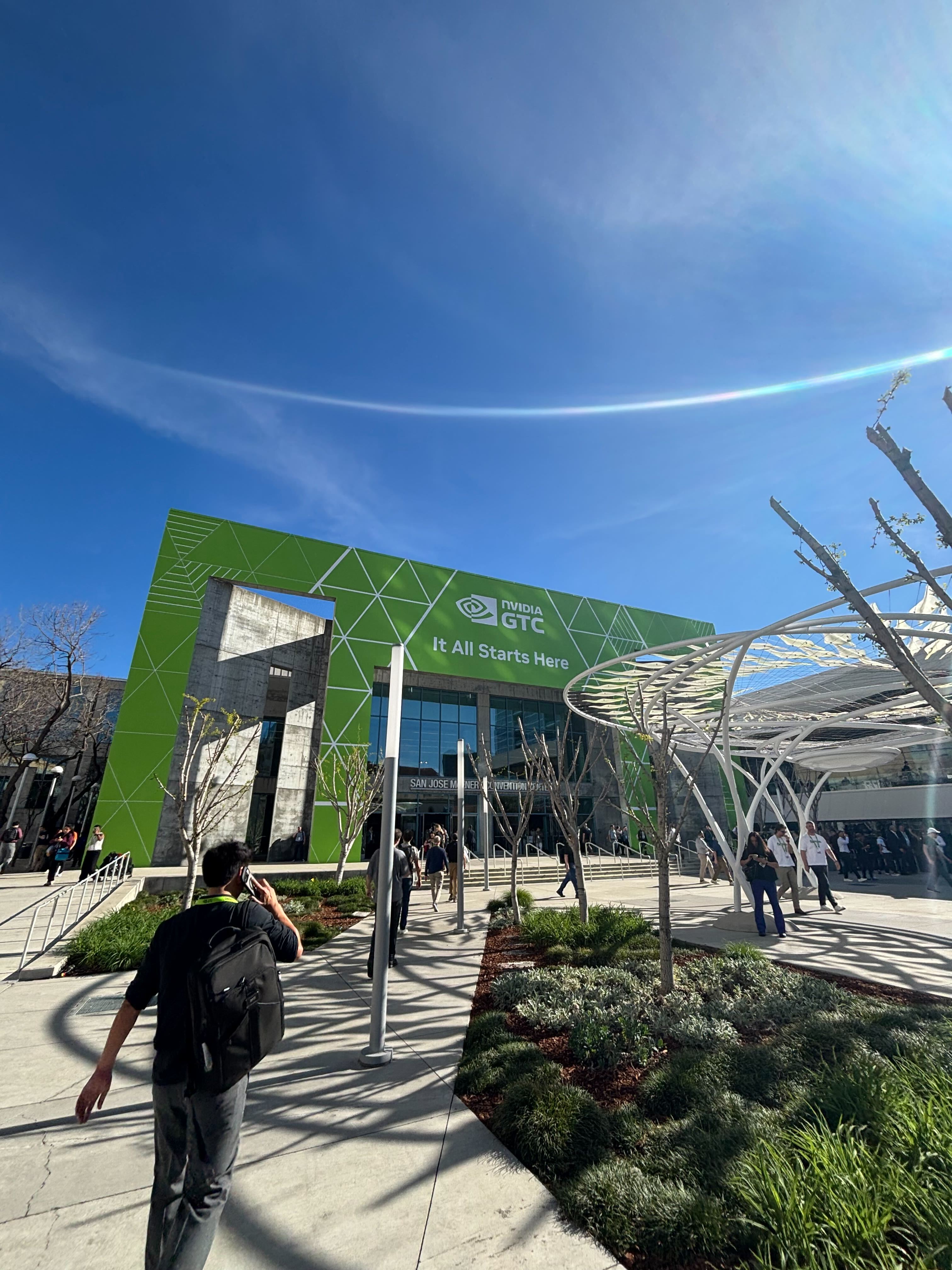
Just wrapped NVIDIA GTC in San Jose.
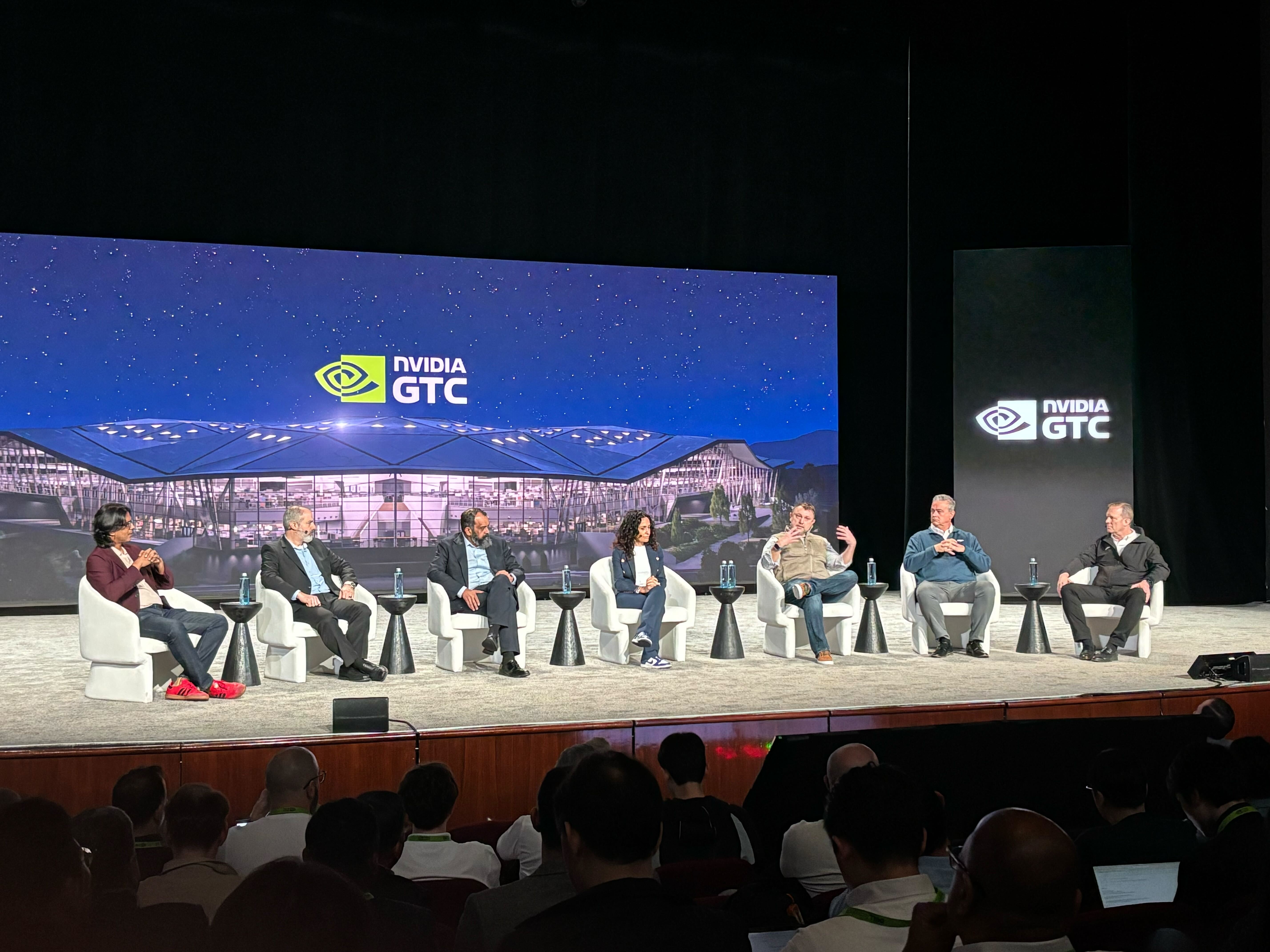
30,000 people. Hundreds of sessions. But one stage really stood out to me, and it wasn’t the Keynote.
Leaders from Caterpillar, KION Group, Hitachi Rail, GXO Logistics, Honeywell, and Medtronic all on one stage talking about the same shift happening in industrial operations right now.
Caterpillar: Edge AI in the Dirt
Caterpillar is deploying edge AI on machines working in remote environments. No cloud requirements, no connectivity dependency. 300 to 400 sensors per machine, thousands of data points per second, processed where the work happens. In a mine. On a highway. In the dirt.
“Precision is super important. When you look at some of our best operators in the field today, they operate those machines at centimeter-level precision.”
If Caterpillar can run autonomous intelligence on a 100-ton machine in a remote mine, the technology can work in your facility. The environment is no longer the barrier.
Hitachi Rail: Making Legacy Infrastructure Intelligent
Hitachi Rail is making 100-year-old infrastructure intelligent without replacing it. Predictive maintenance. Autonomous operation. Their edge: running regulatory certification in parallel with technical development, not after it.
For aerospace, defense, and specialty vehicle manufacturers managing legacy lines and compliance requirements, that’s the future-proof model.
Physical AI and the Shop Floor
As Patrick Kelleher, CEO of GXO, put it:
“There are 40,000 forklift fatalities around the world. Physical AI creates a better place for people to work. It is about making people’s jobs more exciting, easier to do, and more fulfilling.”
The same applies on the shop floor. Grinding. Sanding. Surface treatment is some of the most ergonomically damaging, hardest-to-staff work.
The solution is available.
Real to Sim to Real
One thing this requires: the physics of real manufacturing, material behavior, tool wear, surface interaction, don’t exist in any simulation library. You have to collect that data from real deployments first. Real to Sim to Real only works if the first Real is taken seriously.
The Gap Is Smaller Than You Think
The executives I work with in defense, aerospace, and specialty manufacturing are already inside this shift. Running it in production.
The gap between “this is coming” and “this is already here” is smaller than most people in that room realized.
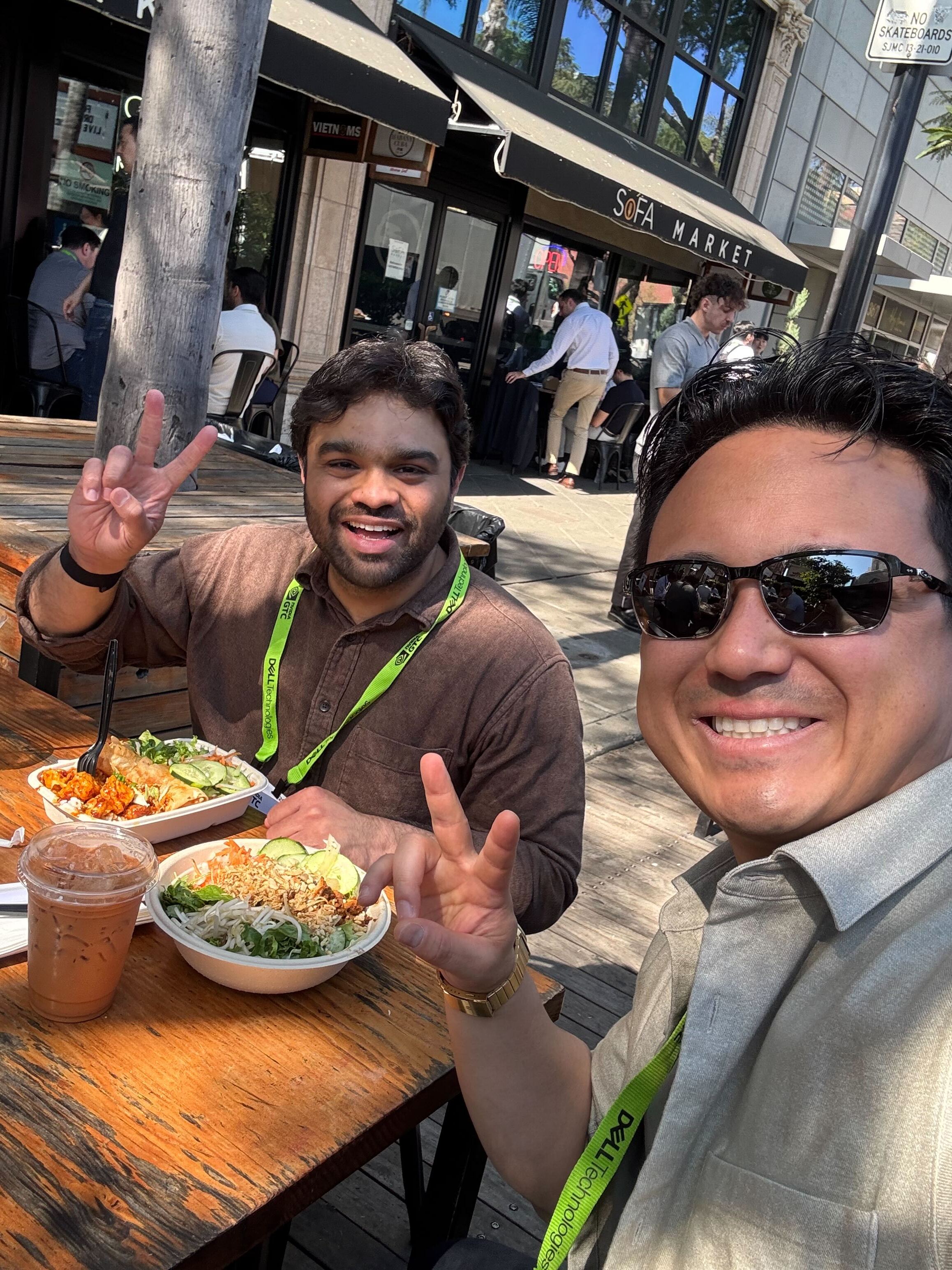
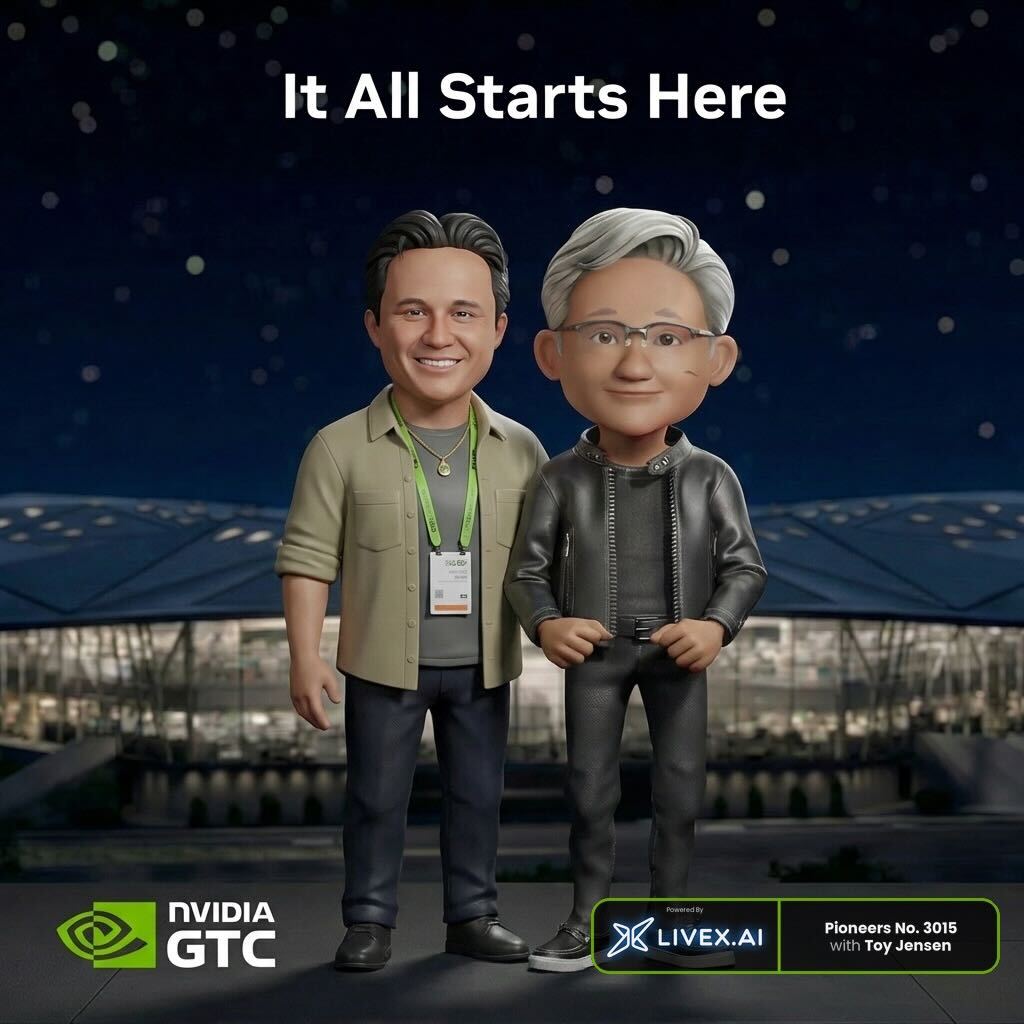
(so this is what AI thinks I look like…at least I got a pic with Jensen)
Keep Reading

The Next 50 Years of Manufacturing Starts Now
The inflection point is here. The evidence is at every major expo. The question is whether you'll lead from the front — or become the Blockbuster of your industry.

The Paradigm Shift: Buy vs. Build — I Built OKRsMatter in One Workday (So We Could Skip the SaaS)
Why I chose build over buy: OKRsMatter in one workday, skipping the SaaS, and what that shift says about how teams should roll out software.

ChargeMatter: From $7 POC to production — and why build still beat buy
The full story: a weekend build that worked, what it actually cost to harden for production, and an honest buy vs. build analysis.

Working on a problem in manufacturing, AI, or scaling operations?
Let's connect →